
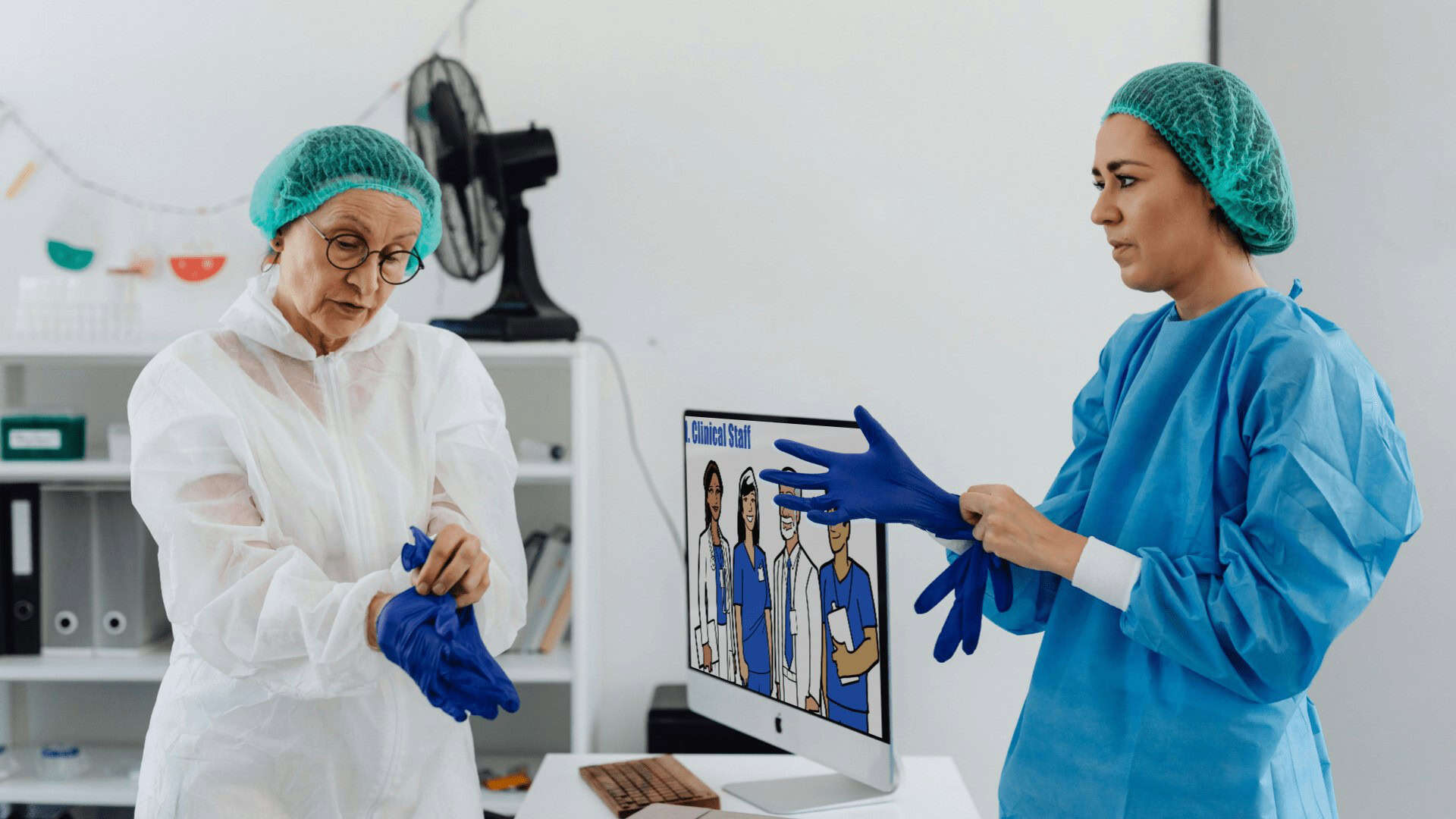
10 Reasons Healthcare Professionals Should Use Animated Videos for Staff Training
Training healthcare professionals is more important and more challenging than ever. With evolving medical technologies, complex treatment protocols, and strict compliance requirements, staff training must be accurate, engaging, and easy to understand. Traditional training methods like printed manuals, lengthy PowerPoint slides, or lecture-style sessions often fall short in conveying critical information effectively.
This is where animated videos and Explainer Videos have become essential tools for modern healthcare organizations. Whether through whiteboard animation, 2D animation, or fully illustrated explainer videos, animation offers a powerful way to simplify medical concepts, improve retention, and streamline staff training.
Here are 10 compelling reasons why healthcare professionals should integrate animated videos into their staff training strategies.
1. Simplifies Complex Medical Information
Healthcare is full of intricate procedures, scientific concepts, and detailed workflows. Animated videos break down this complexity with clear visuals and step-by-step explanations. Procedures that are difficult to describe in text, such as device operation, surgical workflows, or safety protocols, become instantly easier to understand.
Animations eliminate ambiguity, ensuring healthcare professionals interpret information correctly the first time.
2. Enhances Knowledge Retention
Research consistently shows that people remember information better when it is presented visually. By combining narration, imagery, and motion, staff training videos make learning more engaging and more memorable.
This leads to better long-term retention of protocols, instructions, and best practices, critical for maintaining safe and consistent healthcare operations.
3. Ensures Consistency Across Training Sessions
One of the biggest challenges in healthcare training is delivering the same quality of instruction to every team member. Live sessions may vary depending on who is teaching or how much time is available.
Animated explainer videos ensure that every healthcare professional receives the same message, explained the same way, every time. This consistency reduces misunderstandings and promotes standardized care.
4. Saves Time for Busy Healthcare Teams
Healthcare professionals already have demanding schedules. Traditional training can be time-consuming, requiring in-person sessions that interrupt workflow.
Animated training videos offer a flexible, on-demand learning experience. Staff can watch training content on their own time, at their own pace, without compromising patient care or productivity.
5. Improves Compliance and Reduces Errors
Compliance is essential in healthcare, especially when it involves safety procedures, regulatory guidelines, or equipment usage. Healthcare explainer videos help reinforce compliance by presenting clear, accurate information with step-by-step visuals.
Better understanding leads to fewer mistakes, improved patient safety, and more reliable adherence to protocols.
6. Demonstrates Procedures That Cannot Be Easily Shown Live
Some medical processes are too dangerous, too expensive, or too difficult to demonstrate in person. For example:
- Sterile-field setup
- High-risk emergency scenarios
- Device mechanisms
- Laboratory procedures
Animated videos allow organizations to demonstrate any scenario safely and clearly, without needing access to special equipment or risking real-life complications.
7. Supports Multilingual and Accessible Training
Healthcare teams often include professionals from diverse linguistic backgrounds. Animation makes translation easier because the visuals remain the same while the narration or subtitles can be adapted for new audiences.
This makes training more inclusive and effective for all.
8. Reduces Training Costs Over Time
While producing a healthcare explainer video requires an initial investment, it significantly reduces long-term training costs by eliminating the need for repeated live sessions, printed materials, and instructor-led classes.
Once produced, an animated training video can be used repeatedly for years at no additional cost.
9. Engages Learners Better Than Traditional Methods
Traditional training often struggles to hold attention, especially during long sessions or text-heavy presentations. Animation brings content to life with motion, color, and dynamic storytelling.
This higher engagement translates into better learning outcomes and more motivated staff who feel confident and well-prepared.
10. Easily Updated to Reflect New Guidelines or Protocols
Healthcare guidelines evolve quickly. Printed manuals and outdated slides can lead to inconsistencies or incorrect procedures.
Animated videos can be revised or expanded with new information, ensuring your staff always receives the most accurate and up-to-date instructions.
This adaptability makes animated videos a future-proof solution for healthcare training.
Conclusion
Healthcare professionals face immense pressure to deliver safe and effective care, which makes high-quality training essential. Animated videos, including whiteboard animation and 2D explainer videos, provide a modern, flexible, and highly effective solution for staff training challenges.
From simplifying complex medical information to boosting retention, improving compliance, and reducing errors, animated videos offer countless advantages for hospitals, clinics, pharmaceutical companies, and medical organisations.
Investing in professionally produced medical staff training videos not only enhances learning but also strengthens patient care, operational efficiency, and organizational safety.