
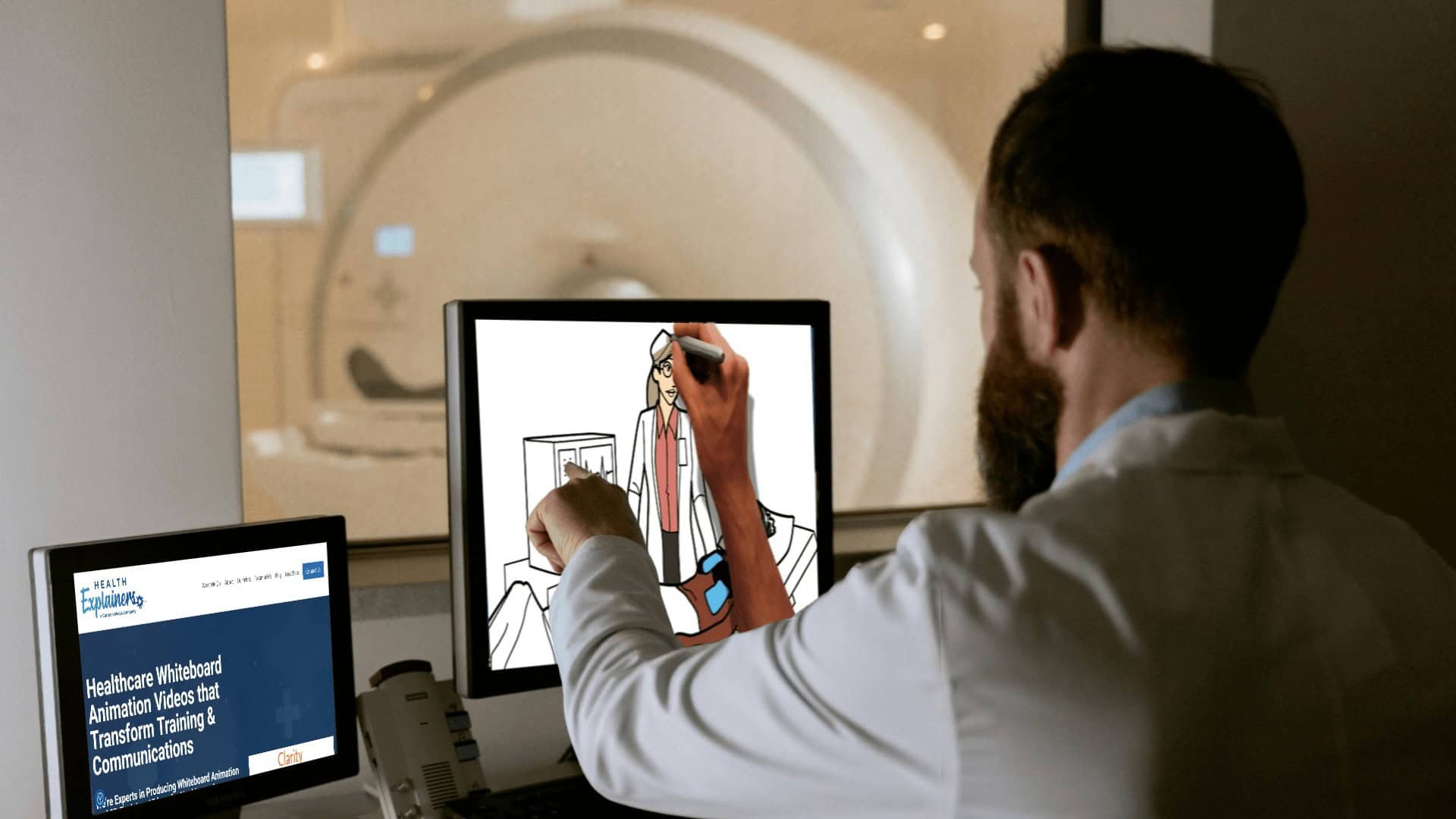
How to Simplify Complex Medical Concepts with Medical Whiteboard Animation
Explaining complex medical concepts can be a daunting task. Whether it’s educating patients, training medical staff, or communicating new procedures, traditional methods like brochures, slides, or text-heavy manuals often fall short. Audiences can struggle to retain information, and misunderstandings can have serious consequences.
This is where medical whiteboard animation and Explainer Videos come in. By combining visual storytelling, engaging graphics, and clear narration, Explainer Videos make even the most complicated medical concepts accessible, memorable, and actionable. In this article, we’ll explore how to simplify complex medical information using engaging animations and why they are a game-changer in medical communication.
What Are Medical Whiteboard Animations?
Medical whiteboard animation refers to videos where illustrations are drawn in real-time on a whiteboard, while a narrator explains medical concepts. This format has become highly popular because it:
- Breaks down complex ideas into digestible steps
- Captures and retains viewers’ attention
- Allows creative visual storytelling to clarify abstract concepts
Explainer videos in medical contexts are widely used for:
- Patient education
- Medical staff training
- Demonstrating clinical procedures
- Explaining health campaigns or pharmaceutical products
By using Explainer Videos, medical organizations can effectively communicate vital information in a way that audiences can understand and apply.
Why Engaging Animations Work in Medical Communication
Communicating medical information effectively requires more than just presenting facts. Engaging animations are particularly effective because they:
- Improve Comprehension – Complex procedures, medical terms, and clinical processes are easier to understand when visualized.
- Enhance Retention – Studies show that combining visuals and narration helps viewers remember information longer.
- Increase Engagement – Animation captures attention far better than static text or slides, keeping audiences focused.
- Encourage Action – Well-designed animations guide viewers toward desired outcomes, such as following a treatment plan or adopting new habits.
- Standardize Messaging – Videos deliver consistent, clear explanations across multiple audiences, reducing miscommunication.
How to Simplify Complex Medical Concepts with Animations
Here are practical ways to use medical whiteboard animation and Explainer Videos to make difficult medical topics easier to understand:
1. Break Information into Bite-Sized Segments
Complex medical concepts often overwhelm audiences if presented all at once. Use Explainer Videos to divide content into smaller, manageable sections.
For example:
- Explaining a surgical procedure in step-by-step animations
- Detailing a chronic disease management plan one step at a time
- Illustrating patient pathways or treatment processes
This approach ensures clarity and reduces cognitive overload, making the content easier to follow.
2. Use Visual Metaphors and Illustrations
Abstract or technical medical ideas are easier to grasp when paired with relatable visuals. Medical whiteboard animation allows you to use metaphors and creative illustrations to simplify concepts.
Examples:
- Representing blood flow using animated water pipes
- Showing immune system responses with animated “defender characters”
- Visualizing drug interactions with simple graphics
Visual metaphors transform difficult topics into memorable stories.
3. Include Narration and Voiceover
Animation alone is not enough. Pairing visuals with a clear, professional voiceover enhances comprehension. A narrator guides viewers through each step of the process, highlights critical points, and ensures information is delivered clearly.
Professional narration in medical whiteboard animation builds credibility and makes the Explainer Video more engaging.
4. Focus on Real-World Applications
Patients and medical staff are more likely to understand and retain information when it’s presented in a real-world context. Explainer Videos can show scenarios such as:
- How patients take medication correctly
- How staff perform procedures safely
- How new medical devices are used in practice
Linking concepts to practical applications helps viewers internalize and apply the information effectively.
5. Keep It Simple and Avoid Jargon
Medical language can be intimidating. Explainer Videos simplify complex terminology into plain language while retaining accuracy. Avoid overwhelming audiences with technical terms; instead, explain concepts in simple, easy-to-understand words complemented by visuals.
6. Make It Interactive
Whenever possible, integrate interactive elements into your medical whiteboard animation. Quizzes, clickable segments, or follow-up questions reinforce learning and keep viewers actively engaged.
7. Optimise Video Length and Pace
Short, concise videos work best. Aim for 2–5 minutes for each concept, keeping animations clear and focused. A steady pacing ensures that viewers have time to process each step without feeling rushed.
Examples of Effective Medical Whiteboard Animations
Medical whiteboard animation has been successfully used across healthcare contexts:
- Patient education on managing diabetes, hypertension, or asthma
- Training staff on new hospital protocols or equipment
- Communicating clinical trial procedures
- Explaining complex surgeries or treatments to patients
By transforming complex information into visual stories, Explainer Videos make medical education more effective, efficient, and accessible.
Benefits of Using Medical Whiteboard Animation
Investing in medical whiteboard animation and Explainer Videos provides multiple advantages:
- Enhanced Learning Outcomes – Patients and staff retain more information
- Improved Communication – Simplifies complex concepts and reduces errors
- Greater Accessibility – Videos can be shared online or viewed on-demand
- Cost-Effective Training – One video can educate multiple audiences repeatedly
- Scalable Education – Easily reach patients, staff, or wider audiences without repeating live sessions
Conclusion
Simplifying complex medical concepts doesn’t have to be difficult. Medical whiteboard animation and Explainer Videos provide an innovative solution to engage audiences, enhance understanding, and improve retention. By using Explainer Videos, medical organizations can:
- Break down complex medical procedures
- Educate patients effectively
- Train medical staff efficiently
- Communicate medical messages clearly and memorably
Investing in Explainer Videos is more than just adopting animation—it’s about transforming medical education and making healthcare communication accessible, accurate, and impactful.