
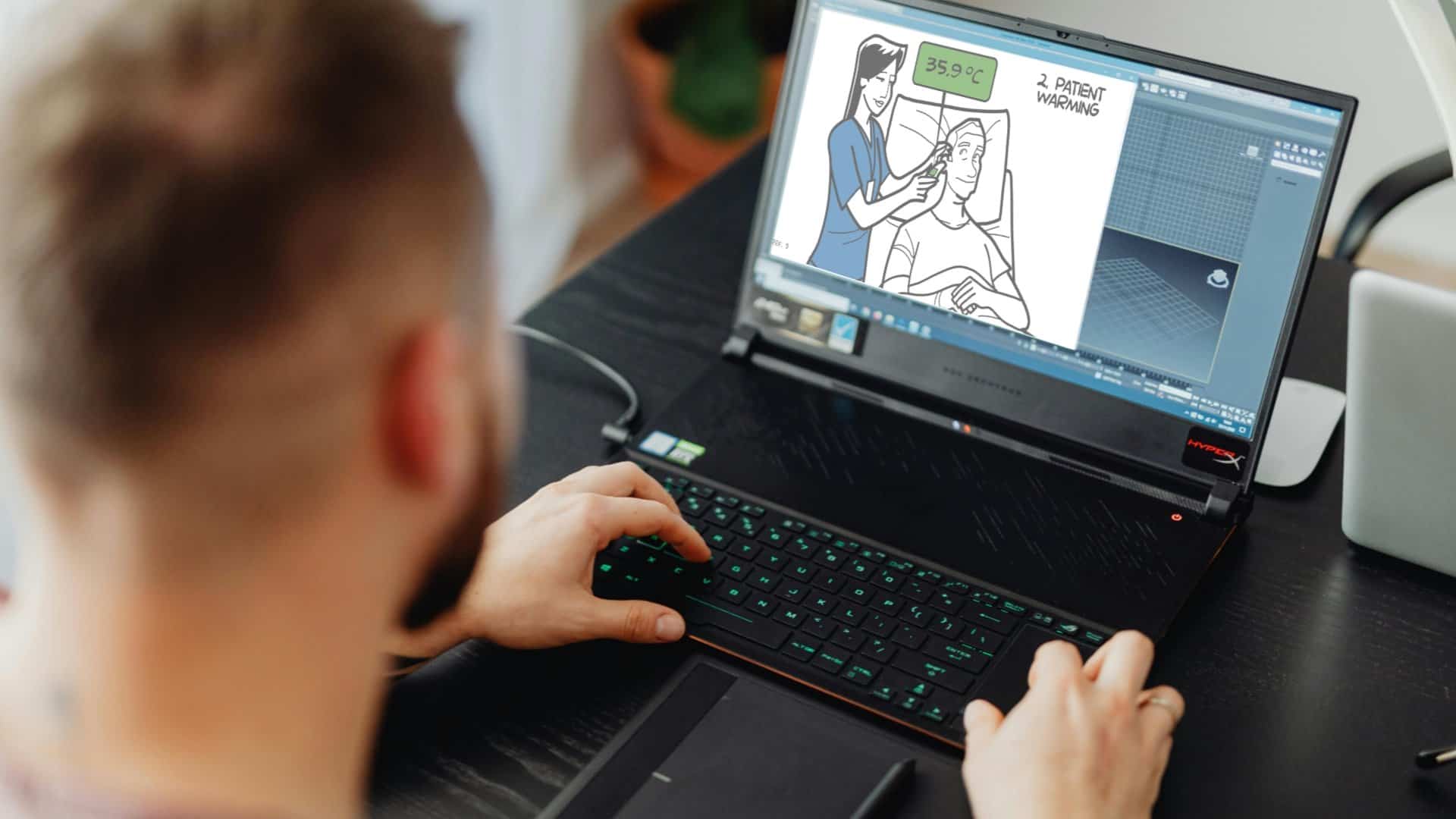
Step-by-Step Guide: How to Produce a Custom Medical Explainer Video
In today’s healthcare landscape, communicating complex medical concepts clearly and effectively is essential. Patients, medical staff, and stakeholders often need detailed explanations of procedures, treatments, or health initiatives, but traditional methods like brochures, presentations, or long documents can be confusing and overwhelming.
Creating a custom medical explainer video is one of the most effective ways to simplify complex medical information, engage your audience, and ensure understanding. This step-by-step guide will walk you through the process of producing a professional medical explainer video, including best practices for Whiteboard Animation and other formats.
Why Medical Explainer Videos Are Essential
Medical explainer videos are animated or live-action videos designed to communicate medical or healthcare information in a concise, visual, and engaging way. They are effective because they:
- Break down complex medical concepts into simple, understandable steps
- Enhance comprehension and retention of information
- Engage patients, medical staff, and healthcare professionals
- Reduce misunderstandings and errors
- Improve patient outcomes and staff training effectiveness
Whether you are explaining a surgical procedure, demonstrating how a medical device works, or educating patients about treatment options, Explainer Videos are a powerful communication tool.
Step 1: Define Your Goals and Audience
Before producing your video, clearly identify your objectives:
- What medical concept or process do you want to explain?
- Who is the target audience—patients, staff, or healthcare professionals?
- What action do you want viewers to take after watching?
Understanding your audience is crucial. For example, a healthcare explainer video targeting patients should simplify medical jargon, while a video for medical staff may include more technical details.
Step 2: Plan Your Video Format
Decide on the format that best suits your message:
- Whiteboard Animation – Ideal for step-by-step explanations, processes, or patient education
- 2D/3D Animated Explainer Videos – Great for visualizing anatomy, medical devices, or clinical procedures
- Live-Action with Animation Overlays – Effective for combining real patient interactions with visual explanations
The chosen format will influence the production workflow, script style, and budget.
Step 3: Write a Clear Script
The script is the backbone of your medical explainer video. Keep it:
- Concise and focused on the key message
- Written in plain language for patient-facing videos
- Accurate and fact-checked for medical and regulatory compliance
- Structured to include a clear introduction, explanation, and call-to-action
A compelling script ensures your message is delivered clearly and effectively.
Step 4: Create a Storyboard
A storyboard is a visual plan of your video, showing scenes, animations, and transitions. It helps:
- Visualize how the script will be represented
- Identify potential issues before production
- Guide animators and voiceover artists during production
For Whiteboard Animation, the storyboard will show each illustration and sequence of drawings.
Step 5: Produce the Animation or Video
Once the storyboard is approved, begin the production process:
- For Whiteboard Animation, illustrations are drawn digitally while the narration is recorded
- For 2D/3D animation, scenes are animated according to the storyboard
- Add visual effects, transitions, and annotations to enhance clarity
Professional animation ensures the final video is engaging, clear, and visually appealing.
Step 6: Add Voiceover and Audio
A professional voiceover enhances comprehension and engagement. Tips for audio:
- Match pacing with the animation
- Use a clear and friendly tone for patient-facing videos
- Incorporate background music sparingly to maintain focus
- Include sound cues or effects to highlight key points
Audio is a critical element that makes your medical explainer video easy to follow and memorable.
Step 7: Review, Test, and Revise
Before finalizing the video:
- Review for accuracy, clarity, and compliance
- Test with a small audience from your target group
- Gather feedback and make necessary revisions
Iteration ensures your healthcare explainer video communicates the intended message effectively and resonates with viewers.
Step 8: Distribute Your Medical Explainer Video
Once complete, strategically share your video to maximize impact:
- Embed on your website or patient portal
- Include in training modules for staff
- Share on social media platforms or email campaigns
- Use in presentations or patient consultations
Proper distribution ensures your investment reaches the right audience and drives engagement.
Best Practices for Producing Medical Explainer Videos
To ensure your video is successful:
- Keep it short and focused – Aim for 2–5 minutes per topic
- Use clear visuals – Simplify complex concepts with illustrations and animations
- Highlight key points – Emphasize critical steps or instructions
- Maintain compliance – Ensure all medical information meets regulatory standards
- Include calls-to-action – Encourage viewers to follow instructions, schedule appointments, or learn more
Benefits of Custom Medical Explainer Videos
Investing in a custom medical explainer video offers numerous advantages:
- Enhanced Understanding – Patients and staff grasp concepts quickly
- Improved Retention – Visual storytelling improves memory and comprehension
- Scalable Training – Videos can be reused across multiple sessions and locations
- Consistent Messaging – Everyone receives the same information, reducing errors
- Engagement and Trust – Professionally produced videos increase credibility and confidence
Conclusion
Producing a custom medical explainer video is a strategic way to simplify complex medical information, educate your audience, and improve healthcare communication. By following these steps, defining goals, planning the format, scripting, storyboarding, producing animation, adding voiceover, testing, and distributing, you can create a video that is both informative and engaging.
Whether you use Whiteboard Animation, 2D or 3D animation, or a mix of live-action and visuals, a well-crafted healthcare explainer video will help patients, staff, and stakeholders understand critical medical concepts, driving better outcomes and engagement.